Explore our current Supported Independent Living (SIL) and Specialist Disability accommodation (SDA) housing vacancies below to find your new home today.
As a leading NDIS Supported Independent Living provider in Melbourne, we combine 20 years’ experience, highly skilled staff, and proven processes to help you find the right home, housemates, and supports. Partnering with Australia’s top SDA providers, we deliver personalised, safe, and sustainable SIL that goes beyond the basics.
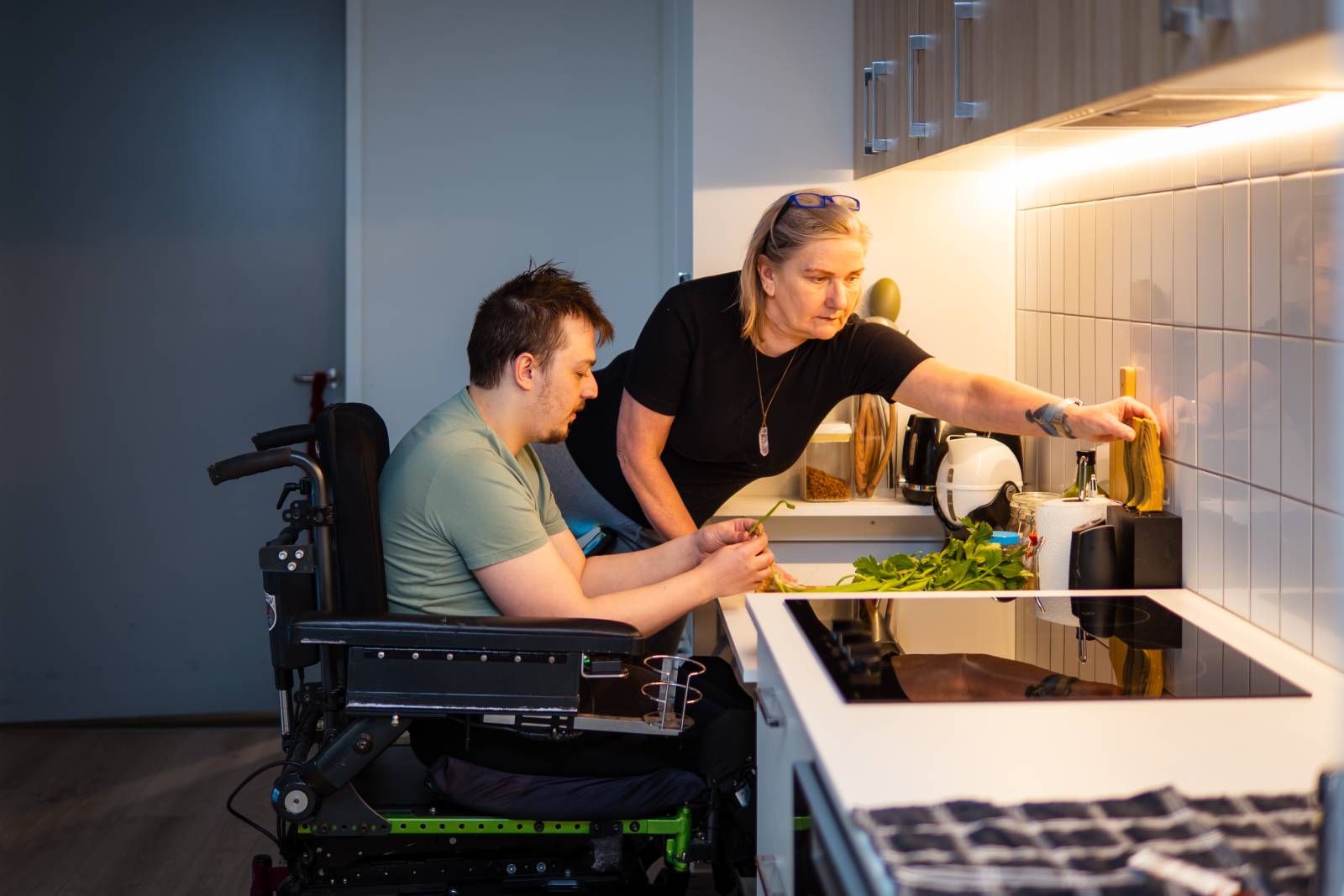
We’re more than an NDIS provider. We’re a team of disability professionals with the expertise and standards you can rely on to achieve your goals.
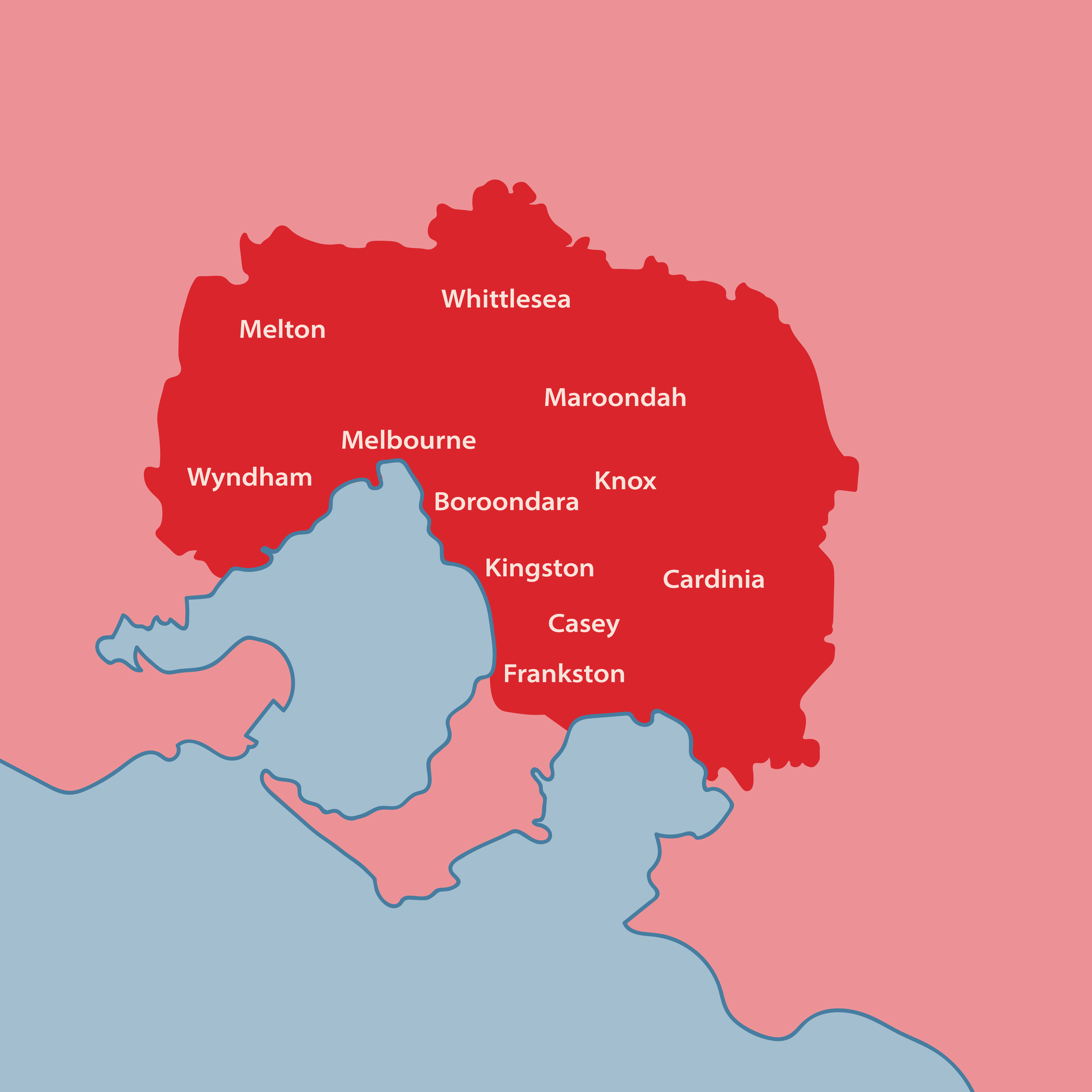
Nextt offers disability support and mental health support services across the greater Melbourne area – from Melton and Werribee in the west to Whittlesea in the north, south to Frankston, and east to Lilydale and Pakenham.
Looking for standard housing with Supported Independent Living? We can work with you to find your home – fill out the form below or call Loretta now
Nextt is regularly adding properties and can search for options based on client needs so contact us to explore more.
Experience the Nextt difference. Call us today, or submit the form to get started.
"*" indicates required fields
Never share sensitive information (credit card numbers, passwords etc) through this form. Form submissions are managed according to our Privacy Policy
Nextt is regularly adding properties and can search for options for your requirements so contact us to explore more.
Supported Independent Living (SIL) is funding for the supports you receive in daily life — help with personal care, household tasks, skill-building, assistance with routines. It enables you to live independently, in a shared home or private setting, while getting regular or 24/7 support depending on your needs.
Specialist Disability Accommodation (SDA) is about the physical home — the design, accessibility, modifications and features of the building itself. SDA homes are built for high physical support requirements.
You might need one or both, depending on your situation. If your daily support needs are high, and/or your home needs special design features, your plan might include SDA and SIL. NEXTT can help you review your plan and figure out what fits your needs.
Eligibility is determined by the NDIS, based on your individual needs and support requirements.
Here are steps you can take:
Check your NDIS plan and see if “Assistance with Daily Living / SIL” is included. If it’s not, you may need a plan review or change of circumstances.
Gather supporting documents — assessments from allied health (OTs, behaviour specialists etc.), reports that show your current support needs.
Make sure your goals in your plan include living more independently or in a supported home environment. That tells NDIA planners SIL is relevant.
Work with a Support Coordinator or Local Area Coordinator (LAC) who understands SIL. They can help you prepare your case, compare provider options, and advise on funding levels.
NEXTT can assist you with preparing for plan reviews and ensuring the documentation is clear and complete.
Yes, Nextt continually updates our property listings and can assist you in finding options that meet your specific requirements. Contact us to explore more.
You have several options, depending on what feels right for you and what your plan allows:
Shared homes: You live with other participants, share common areas (kitchen, lounge etc.), and have your own private bedroom.
Private / single-person homes: If you prefer more privacy and independence but still need support.
SIL in SDA homes: If your funding includes SDA, the home itself will be specially designed for higher support needs, and the SIL supports happen inside that home.
Choosing the setting depends on your comfort, level of independence desired, compatibility with housemates (if shared), and what your SIL funding supports.
Answer:
A roster of care is a schedule that outlines when and how often support workers will assist you, and what tasks they’ll do. It might include:
Morning routines (getting up, personal care)
Meal preparation
Household chores
Overnight or wake-night support
Medication supervision or health-related tasks
Assistance with community access
How it’s decided:
Based on your functional needs (how much help with daily living)
Based on your goals (what you want to achieve, what skills you’d like to build)
The home arrangement (shared or private)
Safety considerations (medical needs, behaviour support etc.)
You’ll usually work with your SIL provider, your OT, and maybe your support coordinator to agree on the roster. It can be reviewed and changed over time as your needs change.
SIL is designed for people who need help with daily tasks like cooking, personal care, or managing the household. If you need this support every day, and it would help you live more safely and independently, SIL may be a good match. A Nextt coordinator can talk through your current needs, what’s working at home, and what isn’t, so you can make a confident decision.
Yes. The NDIS doesn’t choose your housemates for you. You can look at different homes, meet potential housemates and make sure the environment feels comfortable and safe. At Nextt, we support you to understand the home’s routines, personalities and expectations so you can decide what feels right for you.
Every house is different, but the aim is the same — a stable home with the right support around you. You can expect help with personal care, meals, medication and building everyday skills. The routine is shaped around your goals, preferences and cultural needs. Support workers are there to make life easier, not to take over.
Yes. Your SIL arrangement should evolve as you do. If your support needs increase, decrease or you simply feel the current home is no longer a good fit, you can explore other options. A provider like Nextt can help you understand what the NDIS requires, gather evidence and guide you through the transition smoothly.
Look for more than just the property. Consider the quality of support, staff experience, communication style, cultural safety and how well the team understands the NDIS. You should feel heard, respected and supported to make your own choices. A good provider will clearly explain costs, responsibilities and how they keep you safe.
Readiness for SIL isn’t a fixed checklist and it looks different for everyone. What matters most is whether your loved one has expressed a desire for more independence, and whether the right supports can be put in place to make that possible safely. As your SIL provider, Nextt takes the time to understand your child’s routines, preferences, and what makes them feel settled before placing them in a home. We also encourage trial visits and gradual transitions so the move feels manageable for everyone involved.
Nextt provides SIL accommodation across the greater Melbourne area, from Melton and Werribee in the west to Whittlesea in the north, south to Frankston, and east to Lilydale and Pakenham. If you’re unsure whether we cover your preferred area, give us a call. We’re regularly adding new properties and can often work with you to find something close to where your family is based.
Yes, and you should always have input on this. Poorly matched housemates are one of the most common reasons SIL arrangements break down. As your SIL provider, we consider personality, communication styles, daily routines, hobbies, support needs, and noise preferences when matching housemates. You and your loved one will always have a say. We won’t place someone in a home without a clear picture of who they’ll be sharing it with.
Yes. SIL is designed for people across a wide spectrum of disabilities and support needs, including those who require complex or round-the-clock support. Nextt has 20 years of experience supporting people with physical, cognitive, neurological, and psychosocial disabilities, many of whom need 24-hour care. We work alongside your loved one’s NDIS planner and allied health team to make sure the level of support in the home is right for them, and we partner with specialist SDA providers when the property itself also needs to meet specific design requirements.
The next step is finding the right SIL provider and the right home. Get in touch and we’ll start with a conversation about your loved one’s goals, daily routine, support requirements, and preferred location. From there we’ll match suitable properties from our current SIL vacancies or upcoming homes, introduce potential housemates, and work with your Support Coordinator to put together a SIL proposal that fits the approved funding in the plan.
It’s never too early. The process of finding suitable SIL accommodation in Melbourne takes time, and starting the conversation now means you’ll be far better positioned when funding is confirmed. We can help you understand what supporting evidence is typically needed for a successful SIL funding request, walk you through what the NDIS assessment process looks like, and flag suitable vacancies as they come up so you’re not starting from scratch later.
SIL is built around the participant, not a timetable that suits the provider. Your loved one should have genuine control over when they get up, what they eat, how they spend their time, and who they spend it with. As a registered SIL provider, Nextt is required to meet the NDIS Practice Standards, which put person-centred support at the core of everything we do. Our support workers are there to assist, not to take over. If the current arrangement isn’t working, we want to know about it.
A good SIL provider builds for change, not just for today. Nextt conducts regular reviews with participants, families, and support coordinators to make sure the care in the home is keeping pace with what’s actually needed. We don’t wait for something to go wrong before reassessing. If there’s a significant shift in support needs, we’ll work with you and the NDIS to determine whether a plan review is needed to adjust funding accordingly.
It’s one of the most important questions you can ask any SIL provider. At Nextt, every support worker holds a current NDIS Worker Screening Clearance and First Aid certification, and Working with Children Checks where applicable. Beyond compliance, we invest in ongoing training across disability support practice, behaviour support, trauma-informed care, and medication management. We also work hard to maintain consistency in who supports your loved one day to day, because unfamiliar faces cycling through the home is unsettling for anyone.
Rather than narrowing it down yourself, give us your postcode and we’ll identify what’s available within a comfortable distance. Nextt has SIL vacancies and properties across greater Melbourne including Melton, Werribee, Whittlesea, Frankston, Lilydale, and Pakenham. We also look at public transport access when assessing properties so your loved one can reach day programs, medical appointments, and community activities without depending on family for every trip.
A poor SIL experience is genuinely hard on the whole family, and unfortunately it does happen. We won’t just tell you we’re different, we’d rather show you. Nextt has been working in this space for over 20 years, we have a dedicated Client Experience team, and a formal process for raising and resolving concerns. If you want to tell us what went wrong previously, we’ll listen carefully and be upfront about whether we’re the right fit for your situation. If we’re not, we’ll tell you that too.